Sustainable Eco-Enterprise District
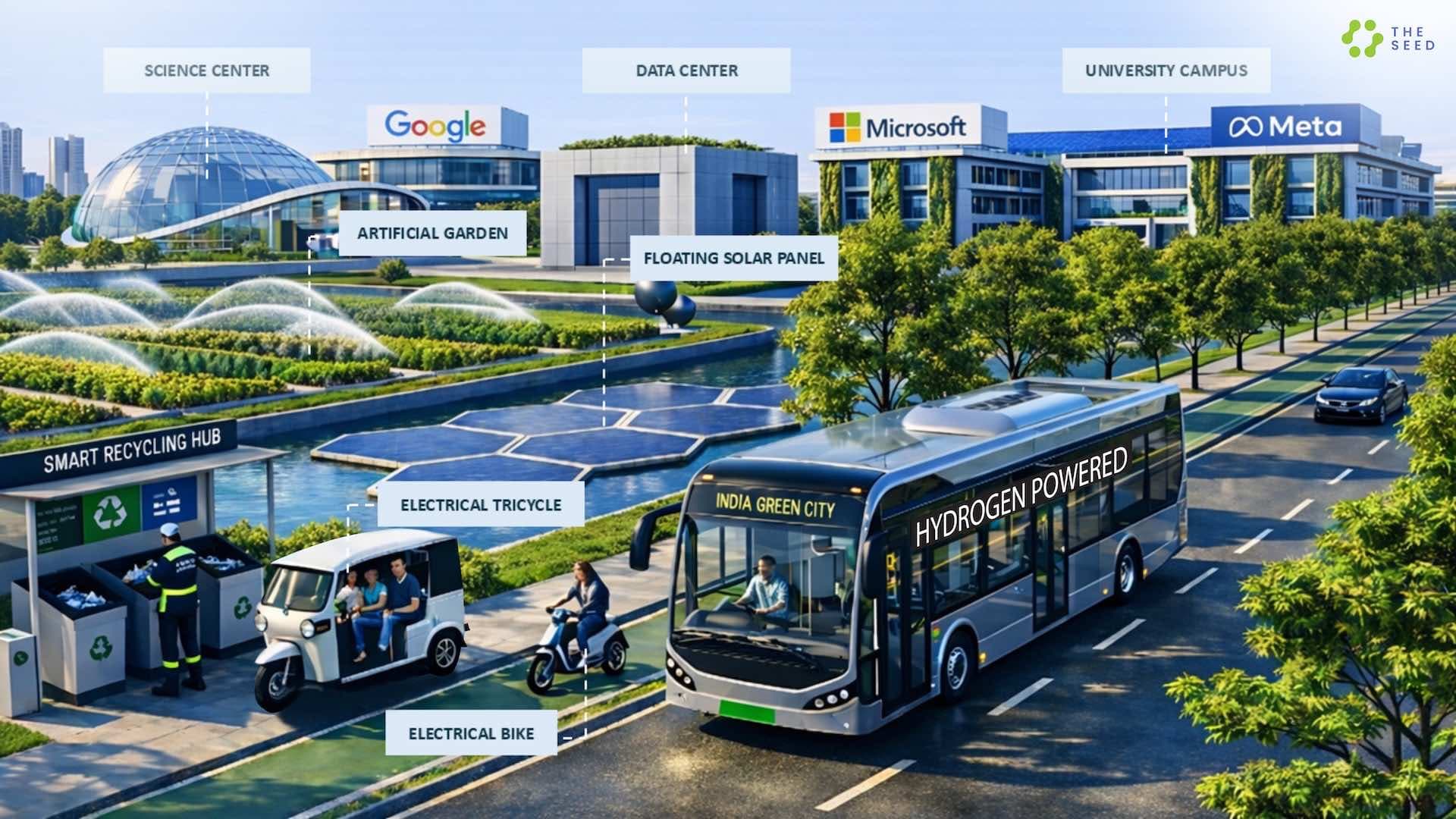
The SEED (Sustainable Eco-Enterprise District) is a flagship national initiative designed to position the host country as a global leader in green digital infrastructure, AI-driven innovation, and circular economic development. It represents a new generation of sustainable districts where data centres, renewable energy, education, food systems, culture, and community life coexist within a fully circular, low-carbon environment.
Unlike conventional data centre developments, The SEED is conceived as a strategic national asset - a district that simultaneously supports economic competitiveness, climate commitments, skill development, and social inclusion. It aligns directly with national priorities on digital sovereignty, net-zero transition, advanced industry development, and talent creation.
The SEED is designed to be replicable and scalable, with an initial implementation at Ujani Dam (Bhima Dam, Solapur District, Maharashtra), digitally and academically twinned with a biomass-to-hydrogen and gasification hub in Malaysia, enabling cross-border collaboration in energy, AI, education, and sustainable industry.
Designed as a living ecosystem, the SEED brings together:
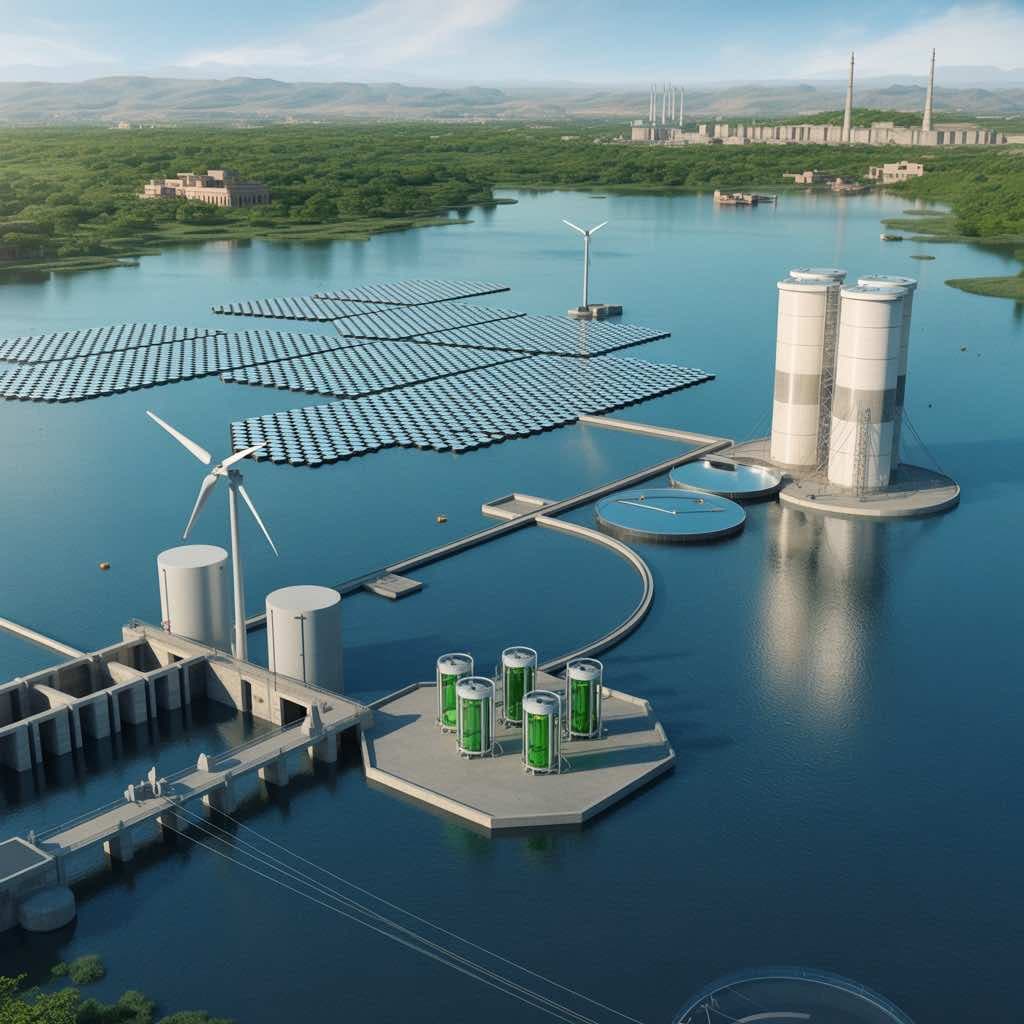
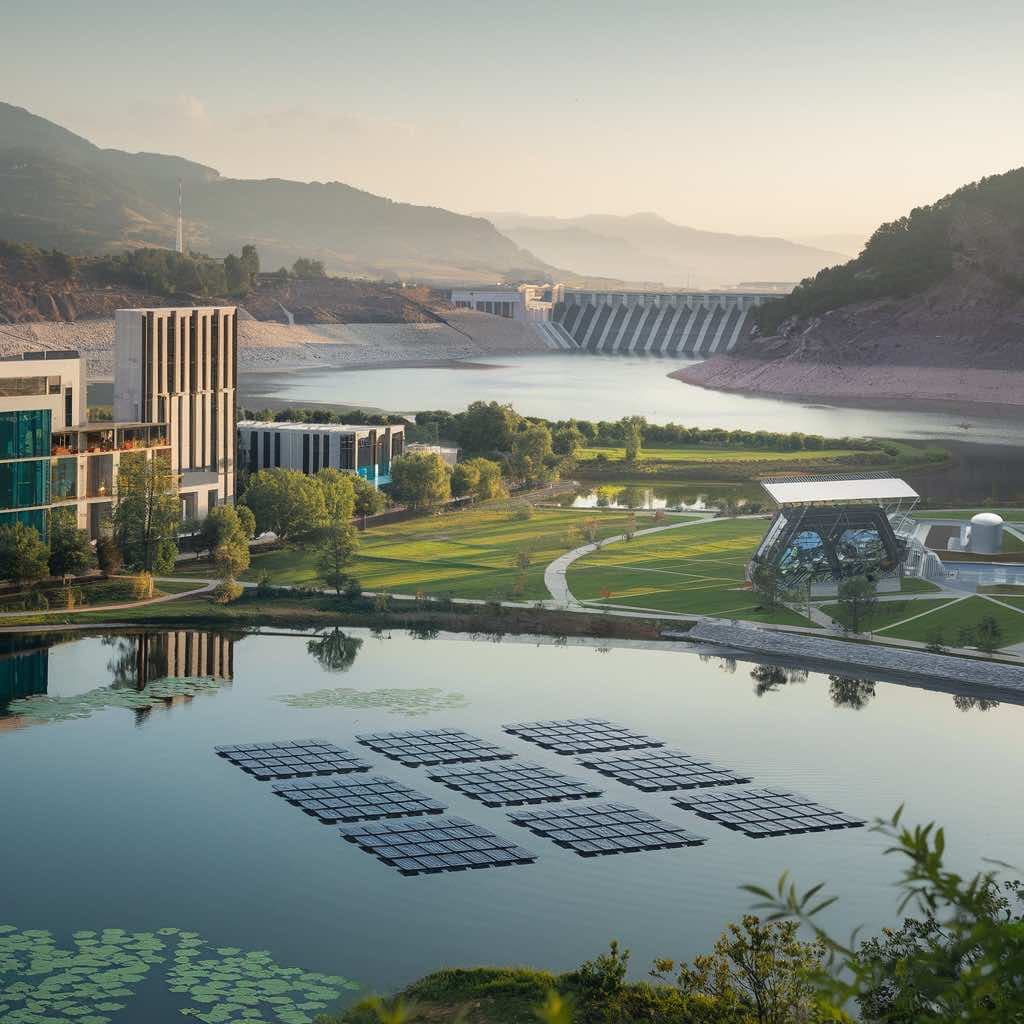
Renewable Energy Systems
A resilient mix of solar, hydro, and green hydrogen, supported by battery storage and thermal systems to deliver 24/7 clean, reliable power for critical infrastructure.
AI & Digital Infrastructure
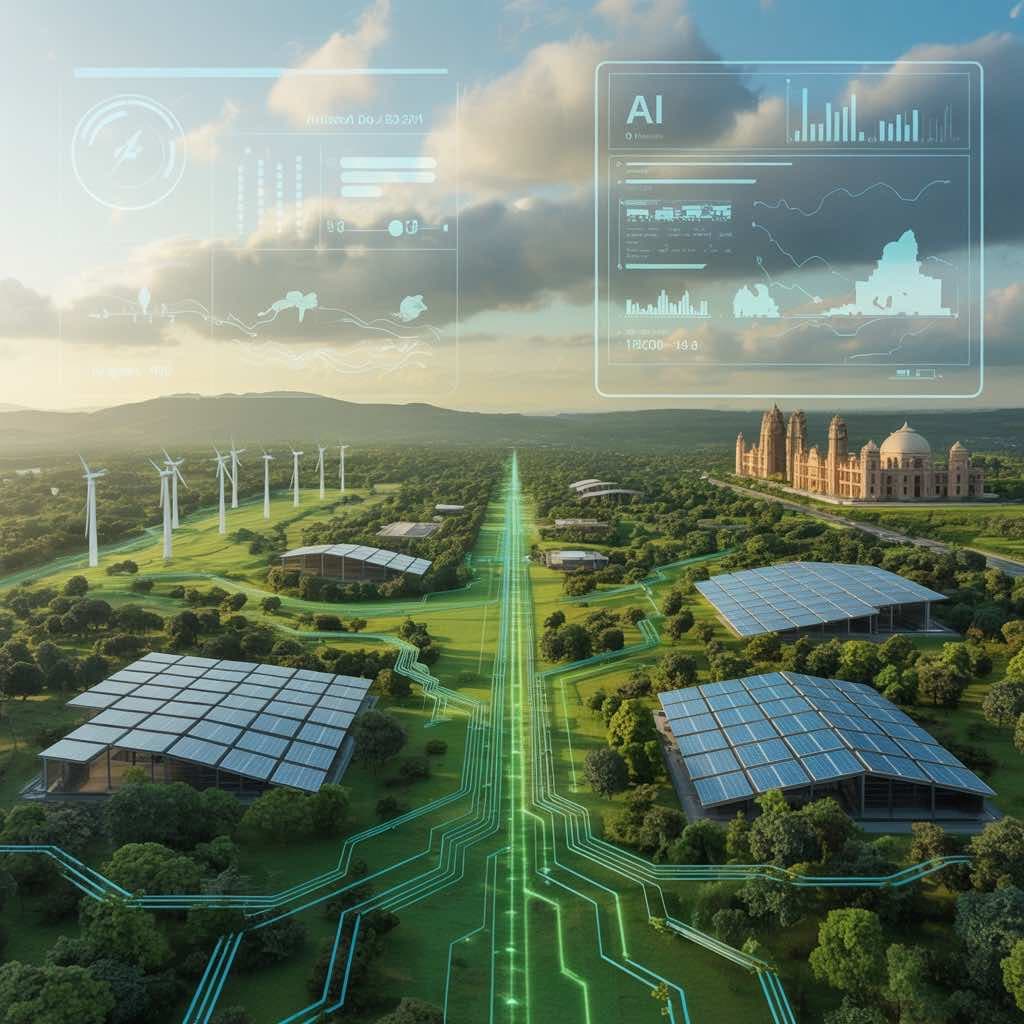
Green data centres, smart grids, and AI-driven optimisation systems that enable real-time energy management, climate analytics, and digital services.
Education & Innovation
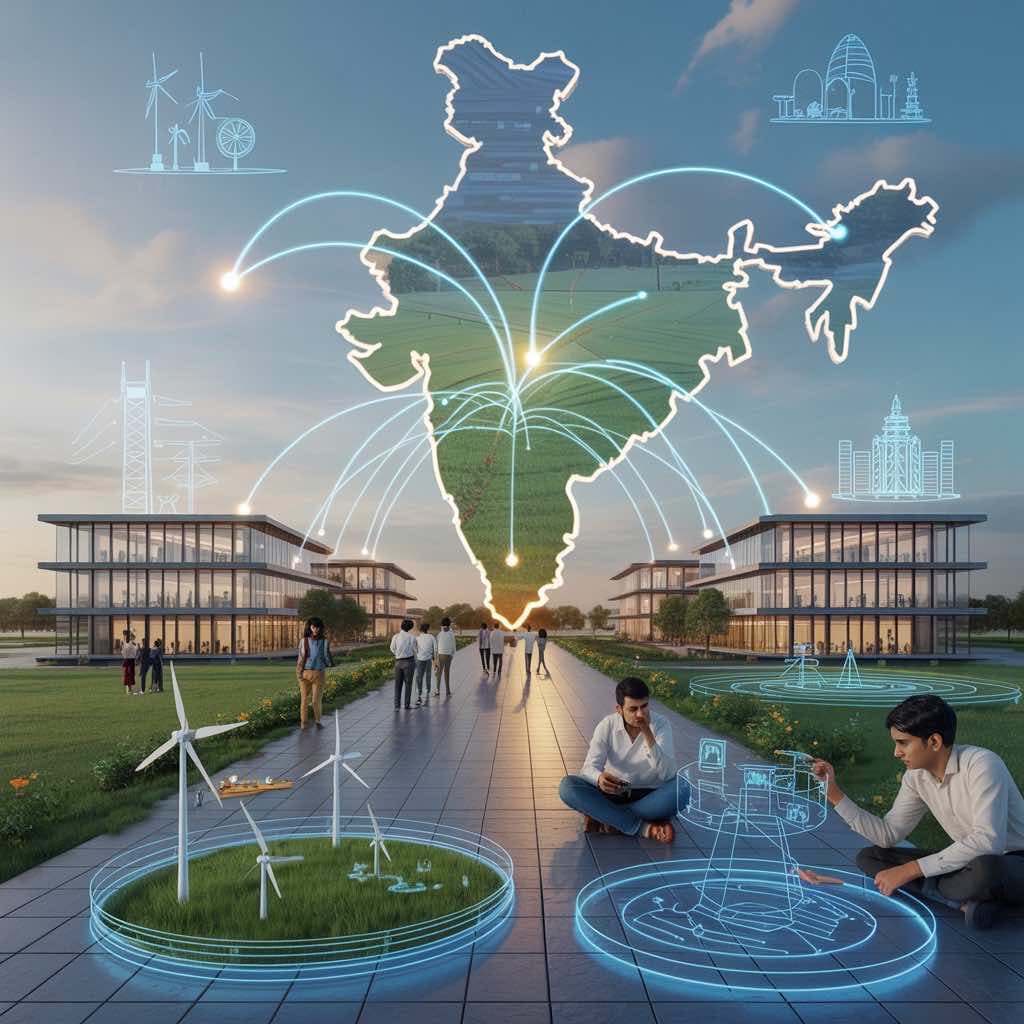
AI labs, research centres, and university partnerships that build future-ready talent pipelines and support applied innovation across energy, agriculture, and urban systems.
Circular Economy Systems
Closed-loop water recycling, waste-to-resource processes, and integrated food systems that minimise resource use and create self-sustaining environmental cycles.
Sustainable Mobility
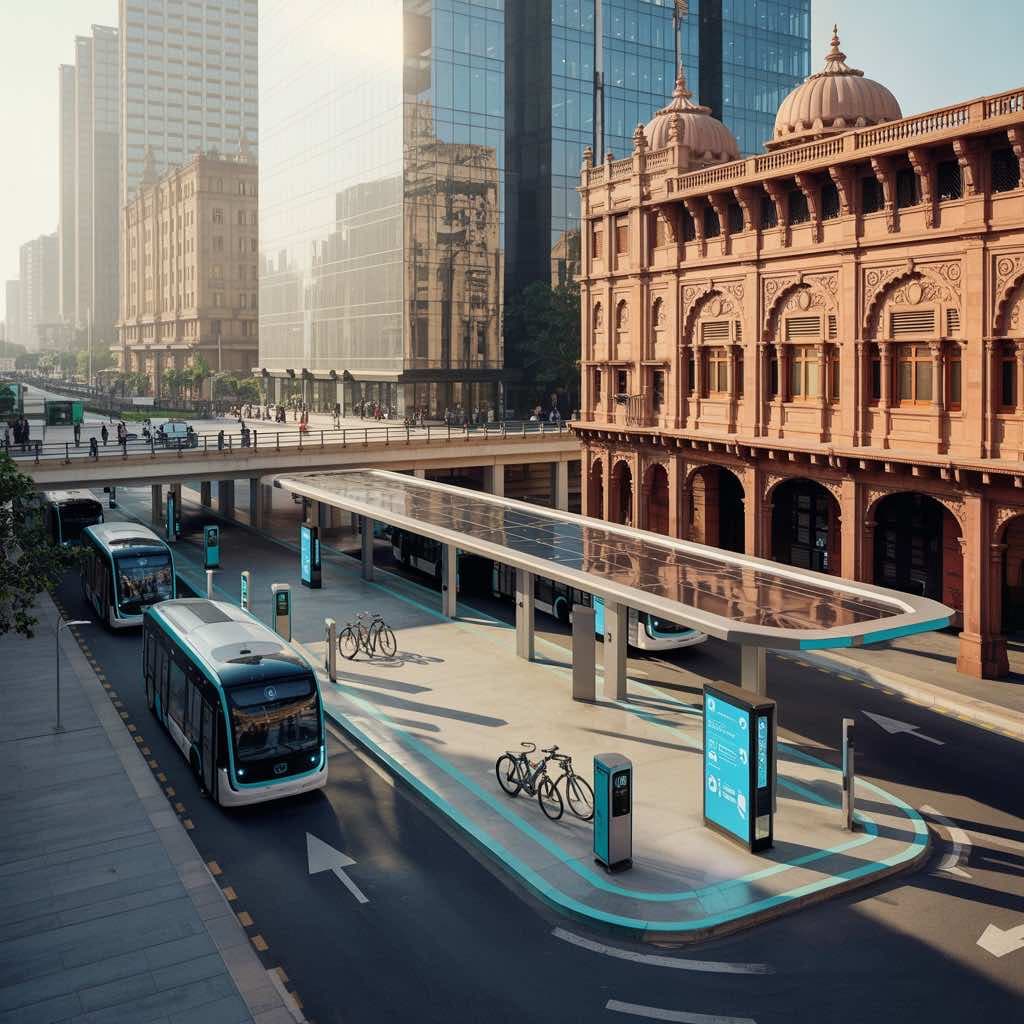
Electric and low-emission transport networks, supported by smart mobility systems, ensuring efficient, connected, and low-carbon movement within and around the district.
Inclusive Urban Design
Integrated community spaces, green public areas, and human-centric planning that connect infrastructure with everyday life, creating a liveable, accessible, and resilient district. It is built as a replicable model for future sustainable cities, with a twin-campus concept linking India and Malaysia.

The SEED is best understood as a fully integrated ecosystem, where each component plays a critical role in supporting sustainable, low-carbon development. This interactive map provides a visual representation of the district, allowing users to explore its core systems—from clean energy generation and digital infrastructure to education, mobility, and circular resource management.
By selecting each point of interest, users can gain deeper insight into how these elements connect to form a cohesive, future-ready district—demonstrating how infrastructure, innovation, and community can be designed to operate in harmony.
Importance of The SEED
The SEED represents a next-generation approach to infrastructure development, designed to position regions for the demands of a rapidly digital and low-carbon future. At its core, the initiative delivers AI-ready, sovereign digital infrastructure powered entirely by renewable energy. By integrating floating solar, battery energy storage systems (BESS), green hydrogen, mini-hydro, and intelligent transmission systems, SEED creates a stable, continuous, and dispatchable energy platform capable of supporting energy-intensive applications such as data centres and advanced computing.
Beyond energy and digital capability, SEED acts as a catalyst for high-value economic development. The district is designed to anchor industries such as AI services, cloud computing, agri-tech, and climate analytics, creating a new ecosystem of innovation and enterprise. At the same time, it embeds universities, training centres, and applied research within the development, ensuring that local talent is equipped with the skills needed to participate in and sustain this growth.
Equally important is SEED’s role in advancing environmental stewardship and ESG leadership. By deploying floating solar on the Ujani Dam, the project contributes to water preservation by reducing evaporation while supporting agricultural resilience for surrounding communities. This integrated approach—combining clean energy, digital infrastructure, economic opportunity, and resource protection—positions SEED as a credible and scalable model for sustainable development, both within India and globally.