Introducing The SEED Junior Enterprise World Innovation Competition
The Junior Enterprise World Innovation Competition is a global challenge, open to all eligible youths from anywhere in the world. Your team will work together to design and build a digital model of a green, sustainable district over the competition period. Your team will receive mentorship from renowned experts and financial assistance during the competition period. You'll be required to maintain an active social media presence as well. Mini-conferences are scheduled throughout the year, making this an interactive competition rather than everyone working solo.
Overall, your district model must demonstrate your team's understanding of the principles of urban design and the incorporation of SDG 11 with other ESG frameworks into your urban planning.
Beyond the opportunity to design a sustainable city, the competition offers teams many other benefits. The use of current and emerging technologies is strongly encouraged.
The grand prize of $50,000 awaits the team with the best district model.
Prizes
Prize breakdown
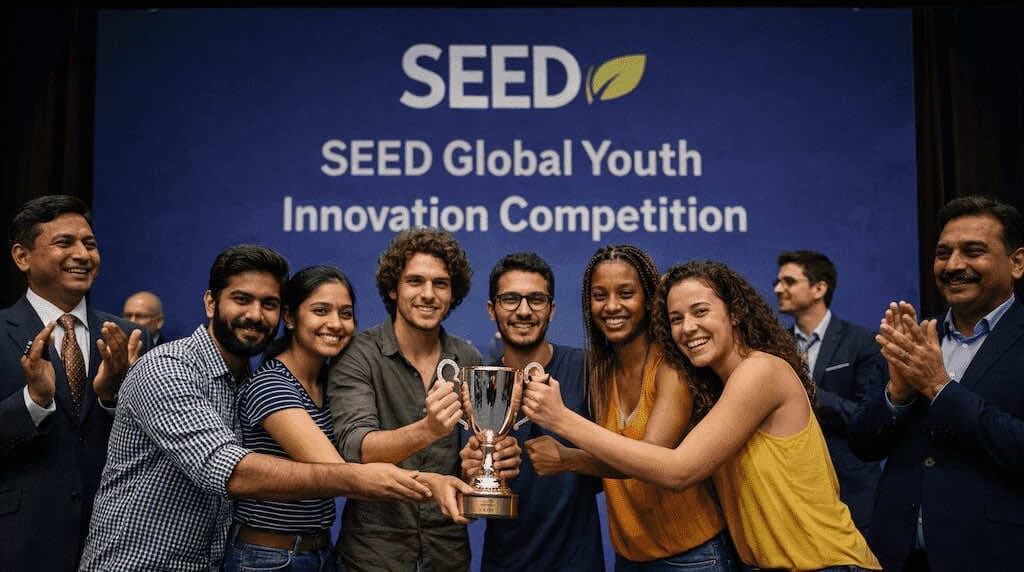
A grand prize of USD50,000 will be awarded to the competition winner. Other cash prizes await the top 10 finalists. The prize-giving ceremony will take place at the site of the SEED, in Solapur, Maharashtra, India, in April 2027. In this competition, everyone is a winner. No finalist team will go home empty-handed!
First Prize
USD 50,000
Second Prize
USD 10,000
Third Prize
USD 5,000
Remaining 7 finalists
USD 7,000
Participation Support
Each participating team shortlisted into the first design phase will receive the following grants:
Participation Grant
USD 2,500
Material upgrade (audio, video, equipment) grant
USD 500
The Competition Structure
The Competition is divided into five phases. Please note that this competition is a year-long commitment. It is possible to visit the SEED site in India at any time during the competition.


Phase 1: April - May 2026: Registration and set-up
This is the signup phase where teams will register their name,
logo, structure, and team composition.
Important: Each team must include two students from Indian
institutes of higher learning. This is important to provide the
teams with matters of localisation and matters relating to the
SEED and India. Assistance to contact these Indian students can
be provided if required.
Phase 2: May - Mid-June 2026: The Initial Concept
In this phase, teams will focus on developing their district concepts. Districts must incorporate energy systems, ESG frameworks, and early financial modelling.
Teams will receive weekly mentoring sessions, delivered online once per week. Expect up to 16 mentors, all experts in their field. Teams will also participate in the first mini-conferences, conducted in-person and also delivered online.
The first mentoring and conference cycle will be complete at end June 2026.

Phase 3: Mid-June - Mid-September 2026: Consolidation and first evaluation
This is the period when teams will perform research, consolidation and refinement of their projects.
Two rounds of evaluation and shortlisting will take place in June and August. Ten teams will proceed to the final phases, with funds disbursed for their projects.
- USD 2,500 content grant - to assist with teams' social media
- USD 500 technical grant - for development of teams' city models

Phase 4: Mid-September - First week December: Mentoring & finalisation
This is the building phase. The shortlisted teams will now focus on technical consolidation, ESG governance structuring, financial modelling and investment readiness, and preparation of their final outputs.
The next online mentoring and mini-conference cycle will also restart. Teams that make it to this phase will be able to directly engage with mentors.
Phase 5: 30 January 2027: Final Submission Deadline
All remaining teams must submit their program deliverables by this date, for review by the jury.
Results: March 2027
The winning team will be announced and a date set for the award ceremony. This award ceremony will be an in-person event in India, at the site of the SEED.
Deliverables
Each team must submit a structured SEED district proposal that details the following:
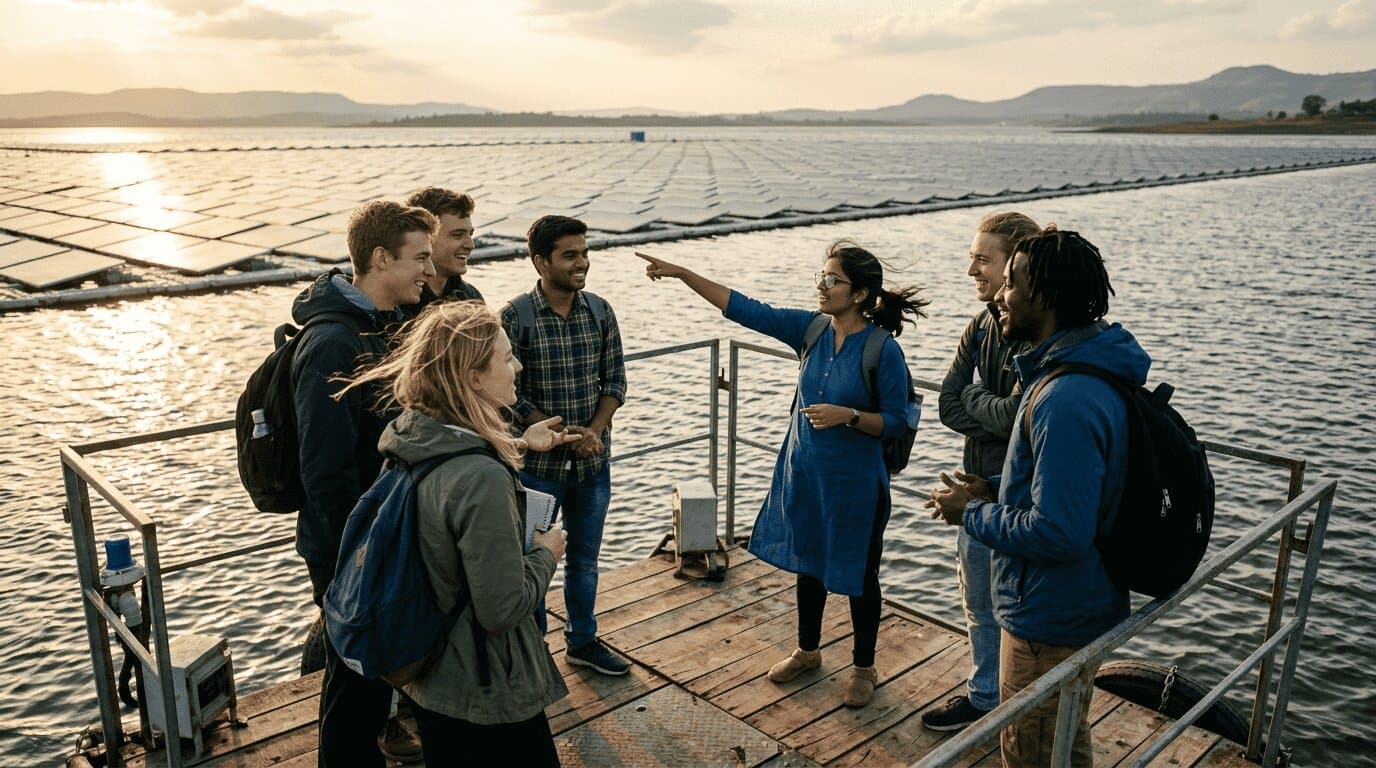
A. Climate & Energy Systems
- Solar production modelling
- BESS sizing and optimisation
- 24/7 power strategy for data centers
- Emission reduction pathway
- Climate adaptation strategy
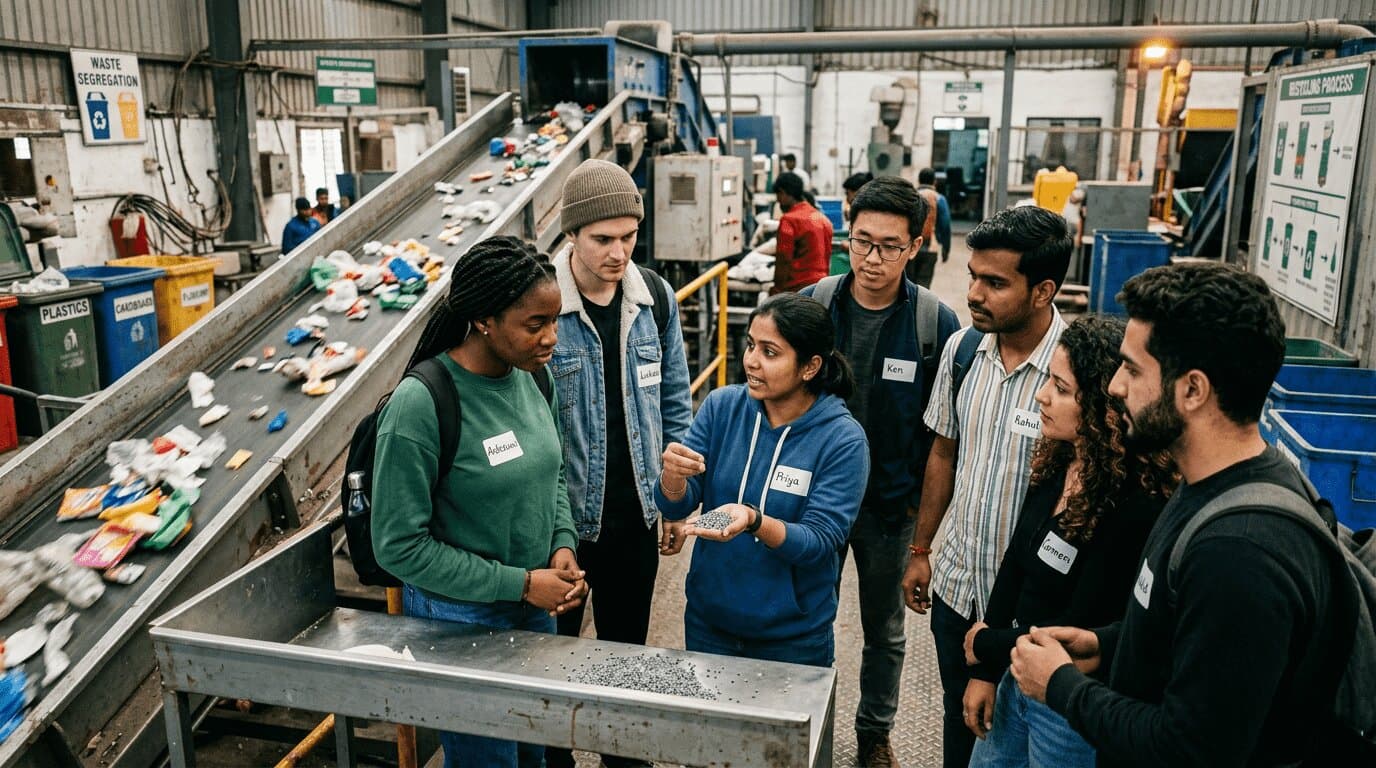
B. Circular Economy & Water
- Water management strategy
- Waste sorting and recovery systems
- Environmental safeguards for the dam ecosystem
- Resource efficiency modelling
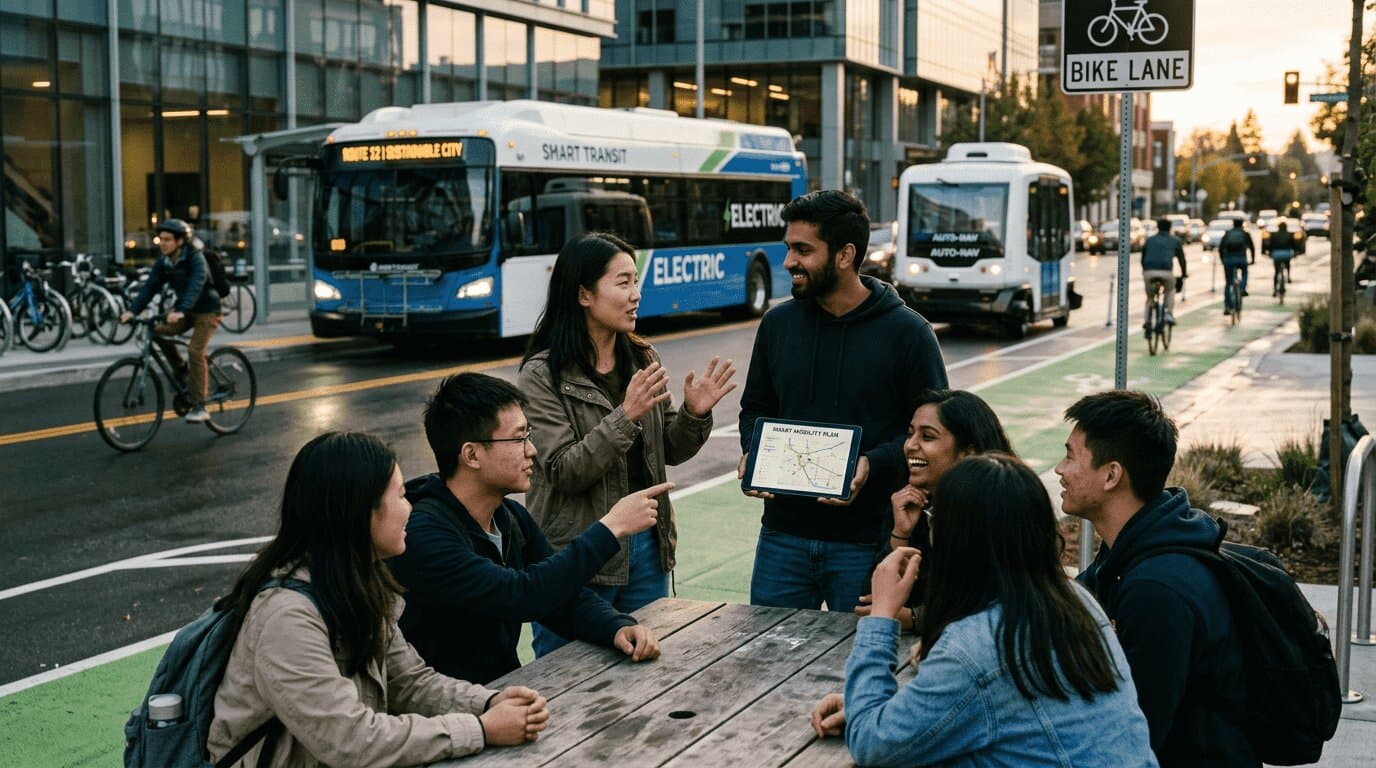
C. Inclusive Urban Planning
- Affordable housing integration
- Mobility access
- Green public space planning
- Social equity safeguards

D. Digital & Governance Framework
- Responsible AI principles
- Cybersecurity safeguards
- Transparent governance structure
- Anti-corruption safeguards
- ESG reporting structure

E. Financial & ESG Framework
- CAPEX and OPEX modelling
- Revenue model (energy + digital infrastructure)
- ESG indicator selection
- Risk analysis
- Investment-readiness assessment

Timeline
24 May 2026
Closure of team registrations
31 May 2026
All team identities submitted
30 June 2026
First shortlist of 20 teams
12 August 2026
Final shortlist of 10 teams
February 2027
Submission of final deliverables
March 2027
Winner selection
April 2027
Prize-giving ceremony in Maharashtra, India & disbursement of awards